
PPR RIB PEELING & ROLL-THREADED REBAR COUPLER
REBARLINK™ PPR is a parallel threaded mechanical rebar coupler system based on controlled reinforcing bar-end rib peeling and precision thread rolling. Designed for high-volume field rebar processing, automated production environments and structural applications requiring reliable mechanical splice performance.
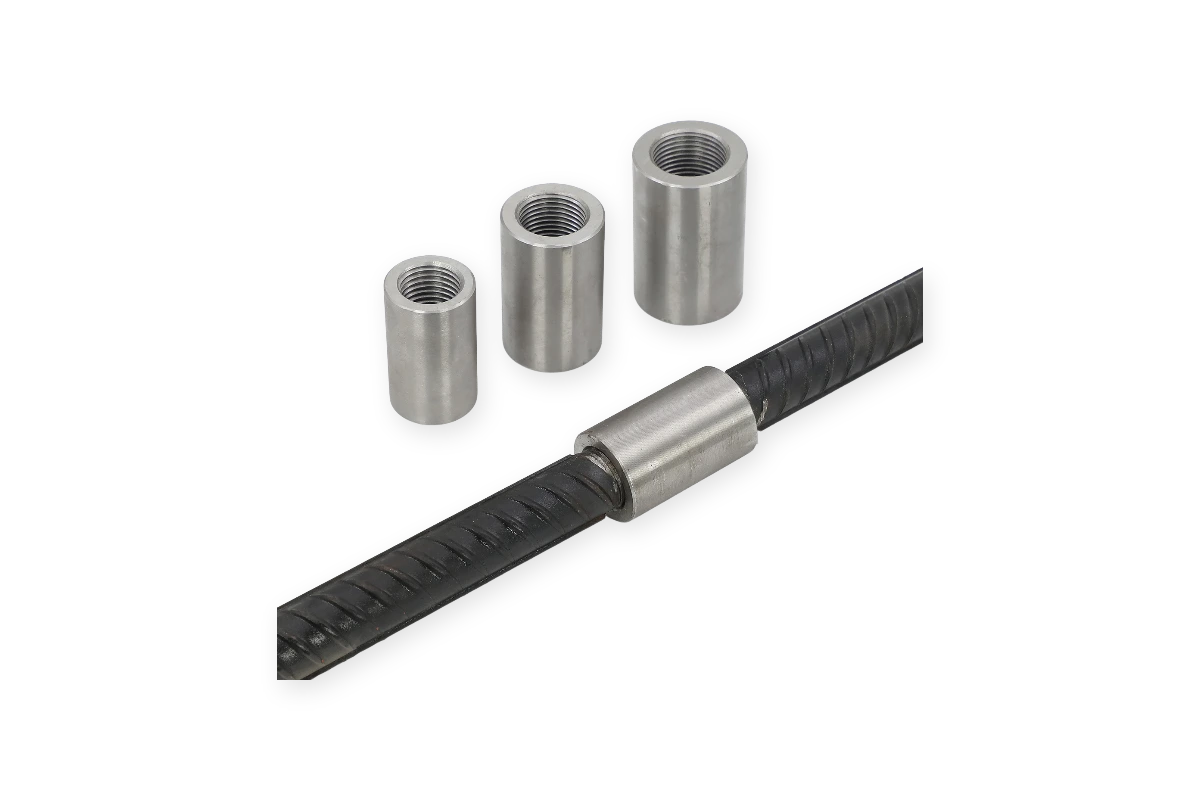
REBARLINK™ PPR is a parallel threaded mechanical rebar coupler system using controlled rib peeling and thread rolling at the reinforcing bar end. The process is particularly suitable for automated, repeatable and high-volume rebar end preparation on construction projects.
The REBARLINK™ PPR Rib Peeling & Roll-Threaded Rebar Coupler System is engineered for mechanical splicing of reinforcing steel bars through controlled bar-end processing and precision parallel thread formation.
What Is the PPR Rebar Coupler System?
PPR combines controlled reinforcing bar-end rib peeling with precision thread rolling. Unlike systems based on conventional cutting of the reinforcing bar core, the PPR process is designed to prepare the bar end while maintaining controlled dimensional geometry for subsequent parallel thread formation.
The resulting parallel threaded bar end engages with a precision-manufactured mechanical coupler to create a controlled load-transfer connection. The system is intended for structural reinforced concrete applications where reliable mechanical splicing, repeatable field processing and efficient reinforcement installation are required.
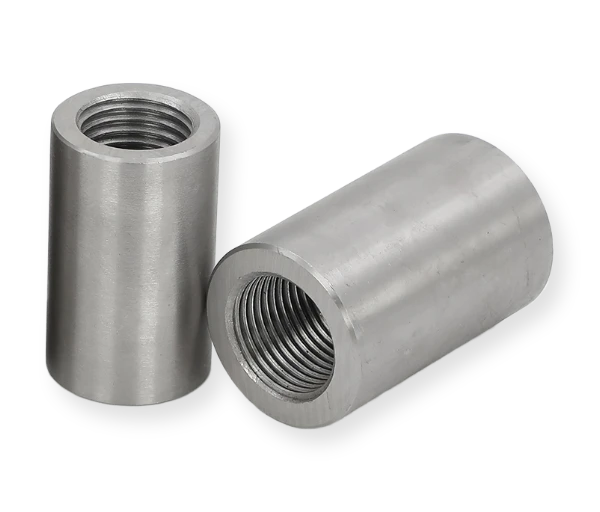
Rib Peeling + Thread Rolling
A controlled bar-end preparation process designed for repeatable parallel thread production and efficient mechanical coupler assembly.
- Controlled reinforcing bar-end preparation
- Rib peeling before thread formation
- Precision parallel thread rolling
- Repeatable thread inspection
- Mechanical coupler assembly
Performance & Engineering Characteristics
100% Bar-Break Performance
The PPR system is engineered for 100% bar-break performance when properly designed, manufactured, tested and installed according to applicable project requirements.
Rib Peeling
Controlled removal of the reinforcing bar ribs at the prepared end creates the required geometry for subsequent parallel thread rolling.
Thread Rolling
Precision rolling forms the parallel thread profile while providing a repeatable thread geometry for mechanical engagement.
High-Volume Processing
PPR is well suited to automated and high-throughput rebar end processing where repeatability and production efficiency are important.
Reduced Rebar Congestion
Mechanical splicing can reduce the reinforcement overlap associated with conventional lap connections and support more efficient reinforcement arrangements.
Controlled Field Installation
Defined bar-end processing, thread inspection and coupler assembly procedures provide a repeatable installation workflow.


Quality & Compliance Indicators

Reinforcing steel mechanical splicing requirements and quality reference.
Complies with Chinese national standard GB/T 42796-2023, aligned with ISO 15835-1.
Complies with Chinese national standard GB/T 42901-2023, aligned with ISO 15835-2.

Complies with Chinese industry specification JGJ 107-2016.

Chinese construction engineering testing and technical conformity reference.
Digital identification and traceability information supporting product and quality records.
Project-specific certification, test reports and compliance documentation should be confirmed according to the applicable product specification, project requirements and jurisdiction.
PPR Coupler Manufacturing & Quality Process
Raw Material Verification
Steel grade, incoming material condition and material traceability are controlled according to production requirements.
Heat Treatment Process
Controlled heat treatment is performed according to applicable material and production requirements to support consistent manufacturing performance.
Coupler Manufacturing
Controlled machining operations produce PPR couplers according to specified material, geometry and dimensional requirements.
Precision Thread Processing
Precision machining produces the specified parallel internal thread geometry followed by dimensional verification.
Go / No-Go Gauge Inspection
Calibrated gauges are used to verify functional thread engagement and applicable dimensional requirements.
Final Quality Approval
Final inspection and quality confirmation are completed before approved PPR couplers are released for shipment.
Typical Applications
High-Rise Construction
Columns, core walls and high-density reinforcement zones requiring controlled mechanical splicing.
Infrastructure Projects
Bridges, tunnels, transportation structures and major reinforced concrete infrastructure.
Automated Rebar Processing
Large-volume reinforcement projects requiring repeatable bar-end processing and standardized production workflows.
Precast & Modular Construction
Factory-controlled reinforced concrete components and high-density reinforcement assemblies.
PPR Field Rebar End Processing & Installation
PPR is not simply a coupler manufacturing method. Its key advantage is the controlled processing of reinforcing bar ends directly in the field or in a dedicated automated rebar processing environment.
The workflow is designed for repeatable, high-volume processing where reinforcing bars can be prepared, inspected and assembled efficiently.
Rebar End Processing
Reinforcing bar ends are cut and positioned according to the required splice length and processing specifications.
Rib Peeling
The ribs are controlled and removed from the designated bar-end section to create the required cylindrical thread-forming surface.
Thread Rolling
Precision rolling forms the required parallel thread profile on the prepared reinforcing bar end.
Thread Inspection
Functional thread geometry and dimensions are verified using the applicable inspection and gauging procedure.
Coupler Assembly
The prepared threaded reinforcing bar is assembled with the PPR mechanical coupler according to the applicable installation procedure.
The PPR workflow is particularly suitable for automated and high-volume rebar end processing, helping construction operations standardize preparation, inspection and assembly across large quantities of reinforcing bars.
PPR Technical Specifications
Standard PPR couplers are available for the reinforcing bar sizes listed below. Project-specific dimensions and requirements can be evaluated by the REBARLINK™ engineering team.
| Size Ø (mm) | Code | OD (mm) | L (mm) | Threading Size | Weight (kg) |
|---|---|---|---|---|---|
| 16 | PPR16 | 24 | 40 | M16.5 × 2.5 | 0.082 |
| 18 | PPR18 | 27 | 45 | M18.5 × 2.5 | 0.136 |
| 20 | PPR20 | 30 | 50 | M20.5 × 2.5 | 0.162 |
| 22 | PPR22 | 33 | 54 | M22.5 × 2.5 | 0.210 |
| 25 | PPR25 | 38 | 62 | M25.5 × 3.0 | 0.326 |
| 28 | PPR28 | 42 | 68 | M28.5 × 3.0 | 0.460 |
| 32 | PPR32 | 48 | 80 | M32.5 × 3.0 | 0.630 |
| 36 | PPR36 | 53 | 84 | M36.5 × 3.0 | 0.905 |
| 40 | PPR40 | 60 | 92 | M40.5 × 3.0 | 1.100 |
PPR Equipment, Automation & ROI
Because PPR requires controlled bar-end processing, the system is particularly suitable for projects where large quantities of reinforcing bars need to be processed with consistent preparation and repeatable thread quality.
PPR Processing Equipment
Explore automated equipment for reinforcing bar-end preparation, rib peeling and parallel thread rolling.
EQUIPMENT INFORMATION →PPR ROI Calculation
Evaluate potential project benefits based on reinforcement volume, processing throughput, labor requirements and mechanical splice quantities.
CALCULATE PROJECT ROI →PPR can be particularly attractive where repetitive bar-end preparation is required across large reinforcement quantities. Automation can help standardize processing quality, reduce repetitive manual operations and improve production consistency.
PPR Technical Documents & Downloads
Access product specifications, installation guidance, equipment information, quality records and project-specific technical documentation.
PPR Product Datasheet
Technical dimensions, material information, product range and available models.
REQUEST DATASHEET →PPR Installation Guide
Rebar end preparation, rib peeling, thread rolling, inspection and assembly procedures.
REQUEST GUIDE →Quality & Test Documents
Inspection procedures, test reports and applicable compliance documentation.
REQUEST DOCUMENTS →PPR Rib Peeling & Roll-Threaded System FAQ
What is PPR?
PPR is REBARLINK™'s Rib Peeling & Roll-Threaded mechanical rebar coupler system. It combines controlled bar-end rib peeling with precision parallel thread rolling.
What is rib peeling?
Rib peeling is the controlled removal of the reinforcing bar ribs from the designated bar-end section to create the required surface geometry for thread rolling.
Is PPR suitable for automated rebar processing?
Yes. PPR is particularly suitable for automated and high-volume reinforcing bar-end processing where repeatability, throughput and standardized preparation are important.
Does PPR provide 100% bar-break performance?
PPR is engineered around a 100% bar-break performance principle. Applicable performance must be verified through the relevant qualification, testing and project requirements.
How is PPR quality controlled?
REBARLINK™ applies controlled raw material verification, heat treatment, coupler manufacturing, precision thread processing, Go / No-Go gauge inspection and final quality approval.
What is the PPR field processing sequence?
The core field workflow is: Rebar End Processing → Rib Peeling → Thread Rolling → Thread Inspection → Coupler Assembly.
What standards are relevant to PPR?
The supplied PPR reference includes ISO 15835 and CABR-related quality and testing references. Project-specific certification and compliance requirements should be confirmed for each application and jurisdiction.
What PPR sizes are available?
The current standard PPR product data provided by REBARLINK™ covers reinforcing bar sizes from Ø16 mm through Ø40 mm.
How does PPR rib peeling work?
PPR begins with controlled reinforcing bar-end preparation. The designated ribbed section is processed through rib peeling to create the required cylindrical surface, then precision thread rolling forms the parallel thread profile before inspection and assembly.
Is PPR suitable for high-volume construction projects?
Yes. PPR is designed for high-volume field or automated rebar end processing where repeatable rib peeling, thread rolling, inspection and assembly are required across large quantities.
Need PPR Equipment, ROI or Project Evaluation?
REBARLINK™ can support product selection, technical documentation, PPR processing equipment, automated rebar-end preparation and project-specific mechanical splice evaluation.